


Are Genuine Leather Boots for Men Really Practical for Rainy Days?
Shipping & Returns
 Free Delivery
 Easy 7 Day Return
 COD Available
Rainy weather can turn an ordinary walk into a serious test for your footwear. Water splashes from the road, damp pavements surround you, and puddles appear where you least expect them. That naturally raises an important question: are genuine leather boots for men a practical choice when the weather turns wet?
The short answer is yes, but with an important condition. Genuine leather can perform remarkably well in rainy conditions when it is properly treated, constructed, and maintained.
For someone who appreciates premium footwear, the difference lies in understanding leather itself. Flying Hawk believes a well-made leather shoe should combine elegance, durability, comfort, and practical performance without compromising its character.
Is Leather Really Suitable for Rainy Weather?
Leather is a natural material with a structure that can provide a certain level of resistance to moisture. However, leather is not naturally waterproof.
That distinction is important.
A quality leather boot can handle light rain and occasional exposure to water. Problems usually begin when untreated leather becomes repeatedly soaked or remains wet for extended periods.
Water can penetrate the leather fibres and affect the material's flexibility. Excessive moisture may also influence adhesives, stitching, linings, and the overall shape of the footwear.
This does not mean you should avoid leather during the rainy season. It simply means you should understand what your footwear can realistically handle. A well-maintained pair of Genuine leather boots for men can be perfectly suitable for commuting, travelling, walking through wet streets, and handling unexpected showers.
The key is preparation.
What Makes Leather Boots More Rain-Friendly?
Not every leather boot offers the same level of protection. Several factors influence how well footwear performs in wet conditions.
The first is the type and quality of leather.
Dense, well-finished leather can resist surface moisture better than highly absorbent untreated leather. The construction also matters because water can enter through seams, stitching, openings, and poorly sealed areas.
The sole deserves attention too.
A good outsole can provide traction on wet surfaces while creating a physical barrier between your feet and the ground. Then comes conditioning and protection. Leather-care products can help maintain the material and provide additional resistance against moisture.
This combination matters more than simply looking for the word "leather" on a product description.
Light Rain & Heavy Rain Are Not The Same
One of the easiest mistakes is treating every rainy day as the same. A brief shower during your commute presents a very different challenge from walking through heavy rain for several hours.
For light rain, a properly conditioned leather boot can usually perform comfortably. You may encounter wet pavements, small puddles, and occasional splashes without significant problems.
Heavy rainfall requires more caution. If water reaches the ankle area or remains in contact with the boot for a long period, moisture can gradually work its way into the material.
For extreme wet conditions, dedicated waterproof footwear may be more appropriate. The practical approach is to match your footwear with the conditions rather than expecting one pair to handle every environment.
How Proper Leather Treatment Makes A Difference?
Think of leather as a material that needs care rather than something that can simply be forgotten.
-
Conditioning helps preserve flexibility.
-
Protective treatments can create an additional barrier against moisture.
-
Regular cleaning removes dirt and residues that can gradually affect the surface.
-
Before the rainy season begins, inspect your footwear carefully.
-
Look for cracks, dry patches, damaged stitching, or areas where the finish has worn away.
-
If the leather appears dry, conditioning may be appropriate.
-
A suitable water-resistant treatment can then provide additional protection.
-
Always check that the product is compatible with the specific leather before applying it.
-
Different finishes can react differently to care products.
Together, these habits help your boots remain comfortable and attractive.
What Should You Do If Your Leather Boots Get Soaked?
This is where many leather owners make a costly mistake. They place wet boots next to a heater or use a hairdryer to speed up the drying process. It seems logical.
Unfortunately, intense direct heat can dry leather too quickly. That can cause the material to become stiff or develop cracks. Instead, remove excess water gently with a clean cloth.
Remove the insoles if possible and allow the boots to dry naturally in a well-ventilated area. Stuffing the boots with plain paper can help absorb internal moisture while supporting their shape. Moreover, avoid placing them directly under intense heat.
Once completely dry, inspect the leather before applying an appropriate conditioner. This simple routine can significantly improve the long-term condition of your footwear purchased from Flying Hawk.
Does Handmade Construction Help during Rainy Weather?
Craftsmanship matters because footwear is not simply a piece of leather wrapped around your feet. Construction determines how different components interact. Stitching, sole attachment, lining, finishing, and shaping all influence durability and comfort.
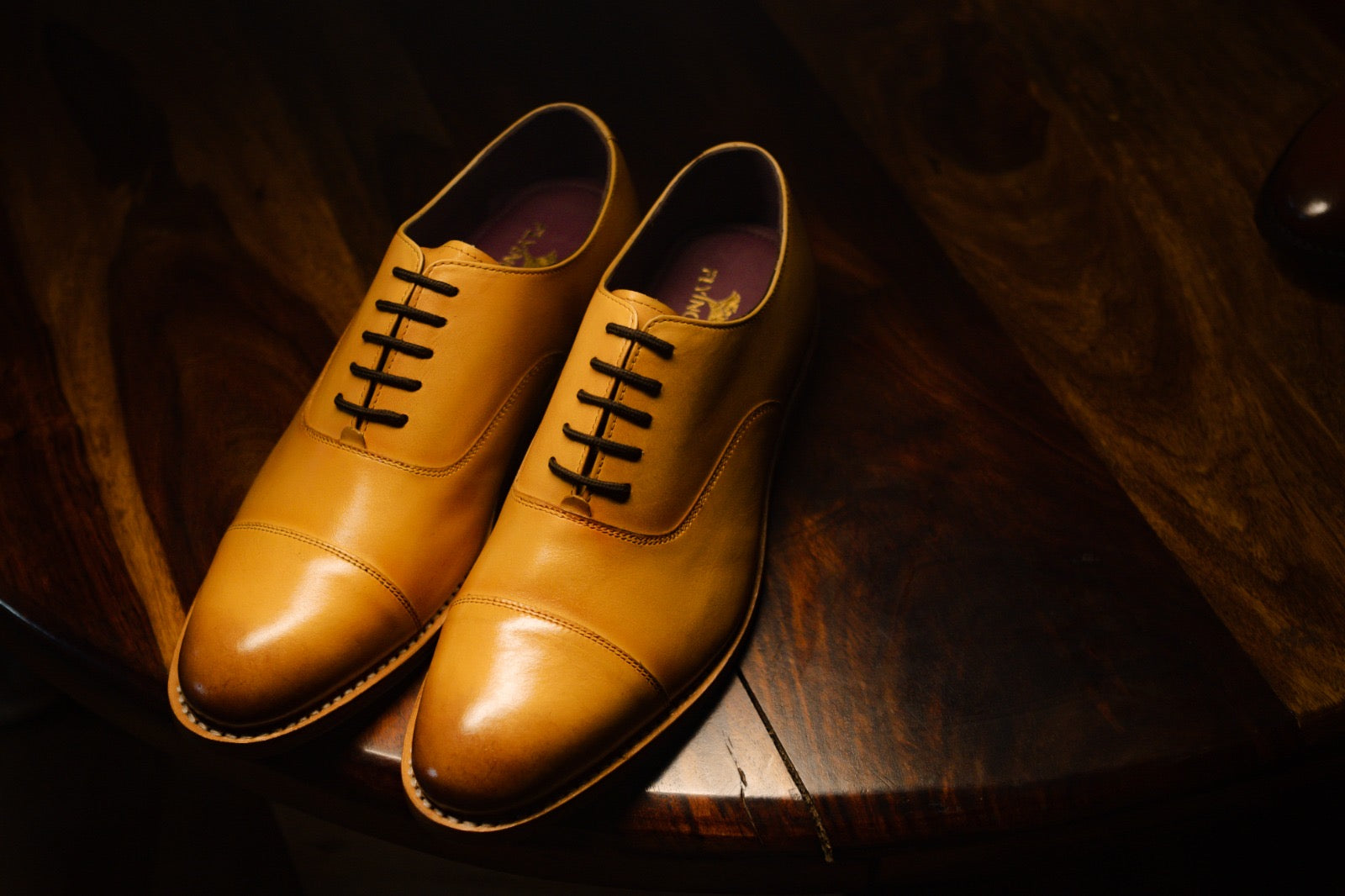
Well-made footwear generally offers better consistency across these details. This is one reason enthusiasts often appreciate handcrafted Italian leather shoes.
Italian shoemaking has a long-standing reputation for careful material selection, refined construction, and attention to finishing. However, craftsmanship does not make leather automatically waterproof.
A beautifully made boot still requires appropriate care.
Can Leather Boots Work for Indian Monsoons?
Indian monsoons can be particularly demanding. Rainfall can be heavy, roads can become waterlogged, and pedestrians may encounter deep puddles during everyday journeys. In these conditions, choosing the right leather footwear requires realistic expectations.
For city commuting and moderate rain, properly treated boots can be practical. For prolonged exposure to standing water, however, specialised waterproof footwear may be safer for the material and more comfortable for the wearer. This is where understanding your daily routine becomes important.
Someone travelling primarily by car may have very different footwear requirements from someone walking several kilometres through monsoon conditions.
Quality handmade italian leather shoes can deliver excellent durability and comfort, but responsible use remains essential.
What about Boots in Darker Colours?
Darker leather boots can be particularly appealing during rainy seasons. They tend to complement casual and formal outfits while hiding minor surface marks more effectively. A well-finished pair of men's black leather boots can therefore become a versatile part of a wardrobe.
Black leather also offers a timeless appearance. It can work with denim, chinos, trousers, jackets, and smart-casual clothing. However, colour does not determine waterproof performance. The leather finish, construction, treatment, and maintenance remain far more important.
What If You Need to Walk through Puddles?
Occasional puddles are usually manageable if your boots are properly prepared. The important thing is avoiding unnecessary prolonged immersion. If you can walk around deep puddles, do so. If water reaches the top of the boot, dry the footwear properly afterwards.
Remember that water can enter from places other than the leather surface. The tongue, seams, stitching, ankle opening, and sole connection can all become potential entry points. This is why even high-quality genuine leather boots for men should not be treated as completely waterproof footwear unless they are specifically designed and rated for that purpose.
Good judgement remains part of good footwear care.
Can Premium Leather Boots Last through Multiple Rainy Seasons?
So, are genuine leather boots for men practical for rainy days?
Yes, provided you understand their limitations. What are they?
Quality leather boots can handle light to moderate rain when they are properly conditioned and maintained. They can also provide comfort, durability, traction, and timeless style that synthetic alternatives may struggle to replicate. However, they should not be treated as completely waterproof unless specifically designed for that purpose. Avoid prolonged exposure to standing water and dry wet boots naturally.
With sensible care, leather boots can remain a reliable part of your wardrobe even through challenging weather.

Final Thoughts
Rainy weather does not automatically make leather footwear impractical. With the right construction, suitable protection, and consistent maintenance, genuine leather boots for men can handle many everyday wet-weather situations comfortably. The important thing is understanding the material and treating it with care.
We at Flying Hawk believe quality footwear should offer more than visual appeal. It should deliver craftsmanship, confidence, comfort, and lasting character. So, when you choose well-made leather boots and maintain them responsibly, you do not have to choose between practicality and elegance.
Even on a rainy morning, the right pair can keep you moving with confidence and style.
Frequently Asked Questions
1. Can genuine leather boots be worn in the rain?
Yes, genuine leather boots for men can handle light and moderate rain when properly conditioned and protected. They should not be considered completely waterproof unless specifically designed for waterproof use.
2. How should I dry leather boots after getting caught in heavy rain?
Remove excess moisture with a soft cloth and let the boots dry naturally in a ventilated area. Avoid radiators, hairdryers, and other direct heat sources.
3. How often should leather boots receive protective treatment?
The frequency depends on usage, climate, leather type, and exposure to moisture. Inspect the leather regularly and apply suitable products when it appears dry or less protected.
4. Are black leather boots suitable for rainy weather?
Yes, black leather boots can work well during rainy weather when properly maintained. Their suitability depends more on leather treatment, construction, sole design, and weather exposure.
5. Can handmade leather boots last through several rainy seasons?
Quality handmade boots purchased from Flying Hawk can last for years with appropriate use and maintenance. Regular cleaning, conditioning, natural drying, and sensible storage can help preserve their performance and appearance.
SIZE GUIDE
| Size (UK) |
Size (EU) |
Foot Length (cm) |
|---|---|---|
| 5 | 39 | 24.8 |
| 5.5 | 39.5 | 25.1 |
| 6 | 40 | 25.4 |
| 6.5 | 40.5 | 25.7 |
| 7 | 41 | 26 |
| 7.5 | 41.5 | 26.6 |
| 8 | 42 | 27.3 |
| 8.5 | 42.5 | 27.6 |
| 9 | 43 | 27.9 |
| 9.5 | 43.5 | 28.5 |
| 10 | 44 | 29.2 |
| 10.5 | 44.5 | 29.5 |
| 11 | 45 | 29.8 |
| 11.5 | 45.5 | 30.2 |
| 12 | 46 | 30.5 |
| 12.5 | 46.5 | 30.9 |

- Choosing a selection results in a full page refresh.
- Opens in a new window.