


Handcrafted Leather Shoes: Combining Heritage Craftsmanship with Modern Fashion
Shipping & Returns
 Free Delivery
 Easy 7 Day Return
 COD Available
Fashion trends continue to evolve, but certain elements of style remain timeless. Footwear is one such element, where quality, comfort, and design play an equally important role. Among the many footwear options available today, handcrafted leather shoes hold a special place because they combine traditional shoemaking techniques with contemporary fashion preferences. Each pair reflects the skill of experienced artisans, attention to detail, and an appreciation for premium materials. Unlike mass-produced footwear, these shoes often feature distinctive designs, carefully selected leather, and construction methods that prioritise durability. As modern consumers increasingly value quality over quantity, traditional craftsmanship is finding renewed relevance in today's fashion landscape.
The Heritage Behind Traditional Leather Shoemaking
Leather shoemaking has a long history that reflects the development of fashion, craftsmanship, and everyday footwear. For generations, skilled artisans have used traditional methods to transform raw leather into comfortable and stylish shoes. These techniques have been refined over time, with knowledge passed from experienced craftspeople to younger generations.
Traditional shoemaking involves several stages, including leather selection, pattern cutting, stitching, shaping, sole attachment, and finishing. Each stage requires precision and experience. Artisans understand how different leather types respond to cutting, stretching, and shaping, allowing them to create footwear that maintains its structure while offering comfort.
The heritage of this craft is not simply about preserving old techniques. It is also about maintaining standards of quality in an industry where large-scale manufacturing often prioritises speed and volume. Traditional craftsmanship continues to demonstrate why careful construction and skilled workmanship matter.
Why Handmade Footwear Continues to Attract Modern Consumers
Consumers today have access to countless footwear options, ranging from affordable everyday shoes to high-end designer collections. However, many buyers are becoming more interested in products that offer lasting value rather than temporary fashion appeal.
Handmade leather shoes attract attention because they reflect individuality and careful workmanship. Their construction often involves detailed manual processes that allow artisans to pay attention to elements that automated production may overlook. From the alignment of leather panels to the finishing around the sole, small details contribute to the overall appearance and quality.
Another important factor is individuality. Natural leather develops unique textures and subtle variations, meaning that no two pairs may look exactly alike. This distinctive character makes handmade footwear appealing to people who appreciate personal style and products with a story behind them.
The Role of Premium Leather in Quality Footwear
The quality of leather plays a major role in determining the appearance, comfort, and longevity of footwear. Different leather varieties offer different characteristics, including flexibility, texture, breathability, and resistance to everyday wear.
Full-grain leather is widely appreciated for retaining its natural surface and developing an attractive patina over time. Top-grain leather, on the other hand, has a refined surface that provides a more consistent appearance. Suede and nubuck offer softer textures that work particularly well for relaxed and contemporary styles.
Selecting suitable leather requires an understanding of how the material behaves during construction and regular use. High-quality materials can improve the overall footwear experience when combined with appropriate construction and proper care.
Premium handcrafted shoes bring together carefully selected materials and skilled workmanship. Their appeal lies in the balance between visual refinement, practical functionality, and attention to detail. For consumers who prefer long-lasting wardrobe essentials, investing in quality materials can be a sensible decision.
How Traditional Craftsmanship Meets Modern Fashion
Modern fashion has created new opportunities for traditional shoemaking techniques. While classic footwear designs remain popular, contemporary consumers increasingly seek styles that complement changing lifestyles, workplace environments, and personal preferences.
Traditional silhouettes such as Oxford shoes, Derby shoes, loafers, and brogues continue to feature prominently in modern wardrobes. However, designers are experimenting with updated shapes, lighter constructions, alternative sole materials, and contemporary colour combinations.
For example, classic formal shoes may now feature sleeker profiles and subtle design details that make them suitable for both professional and social occasions. Similarly, traditional leather boots are being adapted with modern soles and versatile finishes, creating footwear that works with casual and smart-casual clothing.
This combination of old and new allows traditional shoemaking to remain relevant without losing its original identity. Heritage techniques provide the foundation, while modern design brings freshness and versatility.

Understanding the Importance of Hand-Stitched Construction
Stitching is one of the most important aspects of footwear construction. It influences the structural strength, appearance, and overall finish of a shoe. Skilled artisans carefully position and execute stitches to ensure that different components remain securely connected.
Hand-stitched leather shoes are particularly valued by people who appreciate the precision involved in traditional footwear production. Depending on the construction method, stitching can help improve the durability and repairability of certain shoe components.
Goodyear welted construction is a notable example of traditional shoemaking expertise. It involves attaching a leather welt between the upper and the sole, creating a structure that can often be resoled when the original sole becomes worn. This makes the construction method attractive to buyers interested in long-term footwear maintenance.
Not every handmade shoe uses the same stitching or construction technique. Understanding these differences can help consumers make informed purchasing decisions based on their lifestyle, comfort preferences, and expectations.
Popular Styles That Blend Tradition with Contemporary Design
One of the biggest advantages of quality leather footwear is its versatility. Several traditional styles have successfully adapted to modern fashion while retaining their original character.
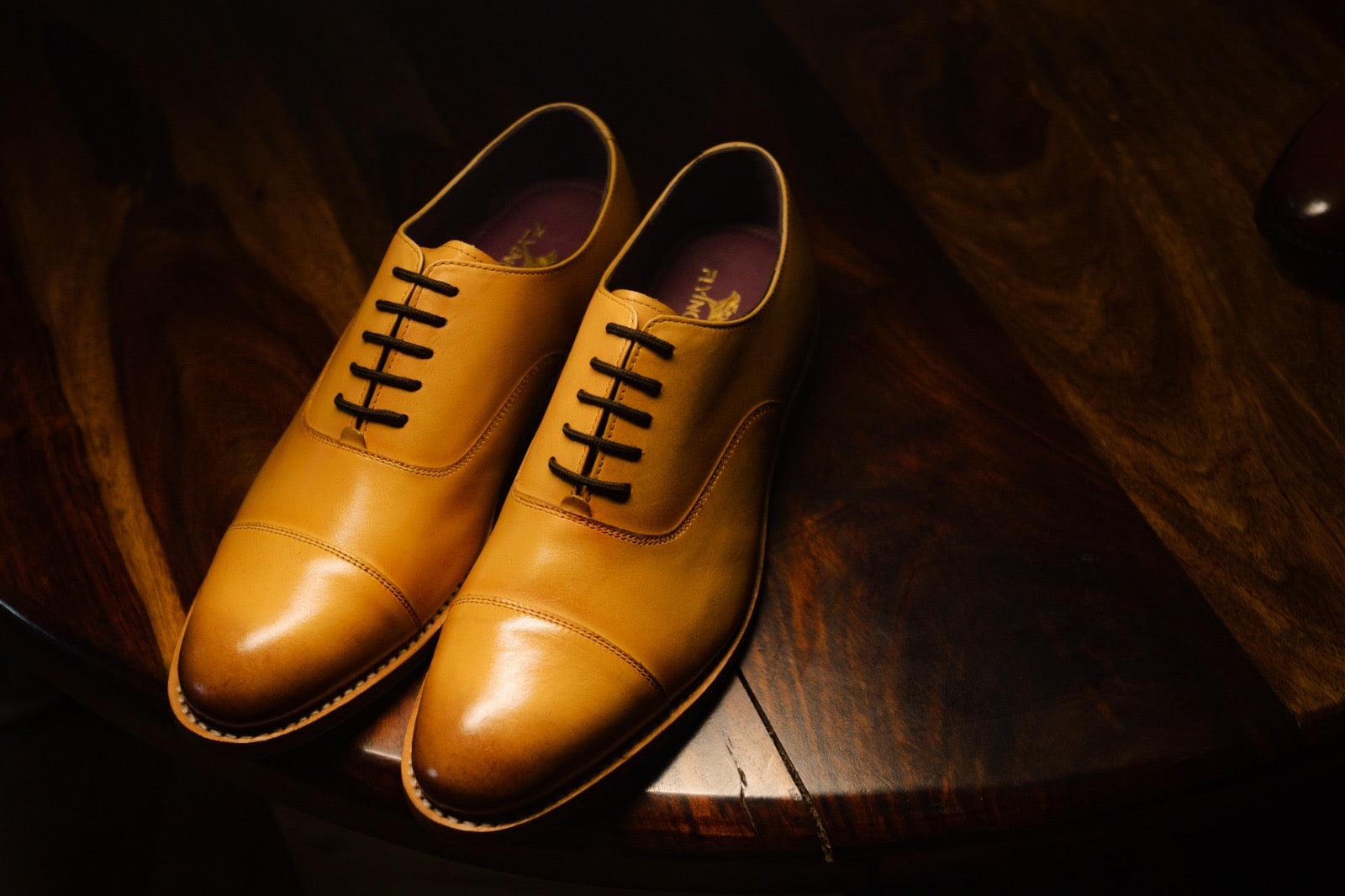
Oxford Shoes: Known for their closed-lacing construction, Oxfords are classic formal shoes. They complement business suits, tailored trousers, and formal event outfits.
Derby Shoes: With an open-lacing system, Derby shoes offer a slightly relaxed appearance compared with Oxfords. They work well with business-casual clothing, chinos, and tailored outfits.
Leather Loafers: Loafers are popular for their slip-on design and effortless appearance. Penny loafers and tassel loafers can be styled with formal trousers, jeans, and smart-casual ensembles.
Chelsea Boots: Recognised by their elastic side panels, Chelsea boots provide a clean silhouette that suits both formal-inspired and casual outfits. They pair particularly well with slim-fit trousers and denim.
Brogue Shoes: Decorative perforations distinguish brogues from other leather footwear styles. Their detailing adds personality while maintaining a sophisticated appearance.
These designs demonstrate how traditional footwear can complement different fashion preferences without becoming outdated.
Luxury Footwear and the Value of Detailed Workmanship
Luxury footwear is often associated with premium materials, refined aesthetics, and exceptional attention to detail. However, its value extends beyond appearance. The quality of construction, finishing, comfort, and long-term usability also influence how consumers evaluate a pair of shoes.
Luxury handmade leather shoes represent the relationship between traditional expertise and refined design. Artisans may spend considerable time working on leather selection, pattern accuracy, stitching, shaping, and polishing to achieve a balanced final product.
The finishing process is equally important. Carefully polished edges, consistent stitching, well-shaped uppers, and properly finished soles contribute to a refined appearance. These details may seem small individually, but together they create a noticeable difference.
For consumers who appreciate understated elegance, quality footwear can become a defining part of their personal style. Rather than relying on prominent branding or temporary trends, well-made shoes often communicate sophistication through their construction and appearance.
How to Style Leather Footwear for Different Occasions
Styling leather footwear becomes easier when the shoe design, outfit, and occasion are considered together. Traditional black Oxfords are suitable for formal business meetings, weddings, and professional events. Brown Derby shoes provide greater flexibility and can complement both office attire and semi-formal clothing.
For casual settings, loafers offer an excellent combination of comfort and style. They can be paired with chinos, cotton trousers, or well-fitted jeans. Chelsea boots provide another versatile option, especially during cooler months when layered clothing becomes more common.
Colour coordination also plays an important role. Black footwear generally works well with black, charcoal, and navy outfits, while brown shoes complement beige, olive, blue, and earth-toned clothing. Tan footwear can introduce a lighter and more relaxed appearance.
Choosing footwear according to the occasion helps create a balanced wardrobe while ensuring that each pair receives regular use.
Caring for Leather Shoes to Maintain Their Appearance
Proper maintenance is essential for preserving the appearance and usability of quality leather footwear. Regular cleaning prevents dust and dirt from accumulating, while appropriate conditioning helps maintain the leather's flexibility.
Use a soft brush or clean cloth to remove surface dust after wearing your shoes. Apply a suitable leather conditioner occasionally, depending on the leather type and its condition. Avoid excessive moisture, as prolonged exposure to water can affect the material and its structure.
Shoe trees can help maintain the original shape and absorb internal moisture. It is also advisable to allow footwear to rest between wears, giving the leather and lining sufficient time to dry naturally.
When soles or heels become significantly worn, professional repair services can help restore functionality. Regular maintenance not only improves appearance but may also extend the useful life of well-constructed footwear.
Step Into Timeless Craftsmanship with Flying Hawk
At Flying Hawk, we believe that exceptional footwear begins with quality materials, skilled craftsmanship, and attention to every detail. With over 90 years of industry experience and a fifth-generation legacy in leather shoemaking, we take pride in creating footwear that combines traditional expertise with modern design. Our collection features premium leather shoes, handcrafted boots, and Goodyear welted styles designed for lasting comfort, durability, and timeless appeal. We bring together heritage techniques and contemporary fashion to offer footwear that complements every modern gentleman's wardrobe. Explore our collection and experience the difference that genuine craftsmanship makes with us.
Conclusion
The relationship between heritage craftsmanship and modern fashion demonstrates that traditional skills can remain relevant in a rapidly changing industry. Quality materials, careful construction, thoughtful design, and skilled workmanship continue to influence how consumers evaluate footwear. From classic Oxfords and elegant loafers to versatile boots, traditional designs offer numerous possibilities for contemporary wardrobes. Handcrafted leather shoes represent this balance by bringing together the expertise of traditional artisans and the practical expectations of modern consumers. With suitable styling and consistent maintenance, quality leather footwear can remain a valuable part of a wardrobe for years, proving that genuine craftsmanship and timeless fashion never lose their appeal.
Frequently Asked Questions
1. What are handcrafted leather shoes?
Handcrafted leather shoes are footwear made using skilled manual techniques, quality leather, and careful attention to construction and finishing.
2. How are handcrafted leather shoes different from machine-made shoes?
They involve greater manual attention to detail, traditional construction techniques, and individual craftsmanship compared with mass-produced footwear.
3. Are handcrafted leather shoes durable?
Yes, well-made leather shoes can last for years with quality materials, proper construction, and regular maintenance.
4. What types of leather are commonly used in handcrafted footwear?
Full-grain leather, top-grain leather, suede, and nubuck are commonly used, each offering different textures and characteristics.
5. What are Goodyear welted leather shoes?
These shoes use a welt stitched between the upper and sole, creating a durable construction that allows resoling.
6. How can I maintain handcrafted leather shoes?
Clean them regularly, use suitable leather conditioners, store them with shoe trees, and avoid prolonged exposure to moisture.
7. Can handcrafted leather shoes be worn with casual and formal outfits?
Yes. Styles such as Oxfords, Derbies, loafers, brogues, and Chelsea boots can complement different outfits and occasions.
SIZE GUIDE
| Size (UK) |
Size (EU) |
Foot Length (cm) |
|---|---|---|
| 5 | 39 | 24.8 |
| 5.5 | 39.5 | 25.1 |
| 6 | 40 | 25.4 |
| 6.5 | 40.5 | 25.7 |
| 7 | 41 | 26 |
| 7.5 | 41.5 | 26.6 |
| 8 | 42 | 27.3 |
| 8.5 | 42.5 | 27.6 |
| 9 | 43 | 27.9 |
| 9.5 | 43.5 | 28.5 |
| 10 | 44 | 29.2 |
| 10.5 | 44.5 | 29.5 |
| 11 | 45 | 29.8 |
| 11.5 | 45.5 | 30.2 |
| 12 | 46 | 30.5 |
| 12.5 | 46.5 | 30.9 |

- Choosing a selection results in a full page refresh.
- Opens in a new window.