


How Indian Craftsmanship Creates the Best Handmade Leather Shoes in India
Shipping & Returns
 Free Delivery
 Easy 7 Day Return
 COD Available
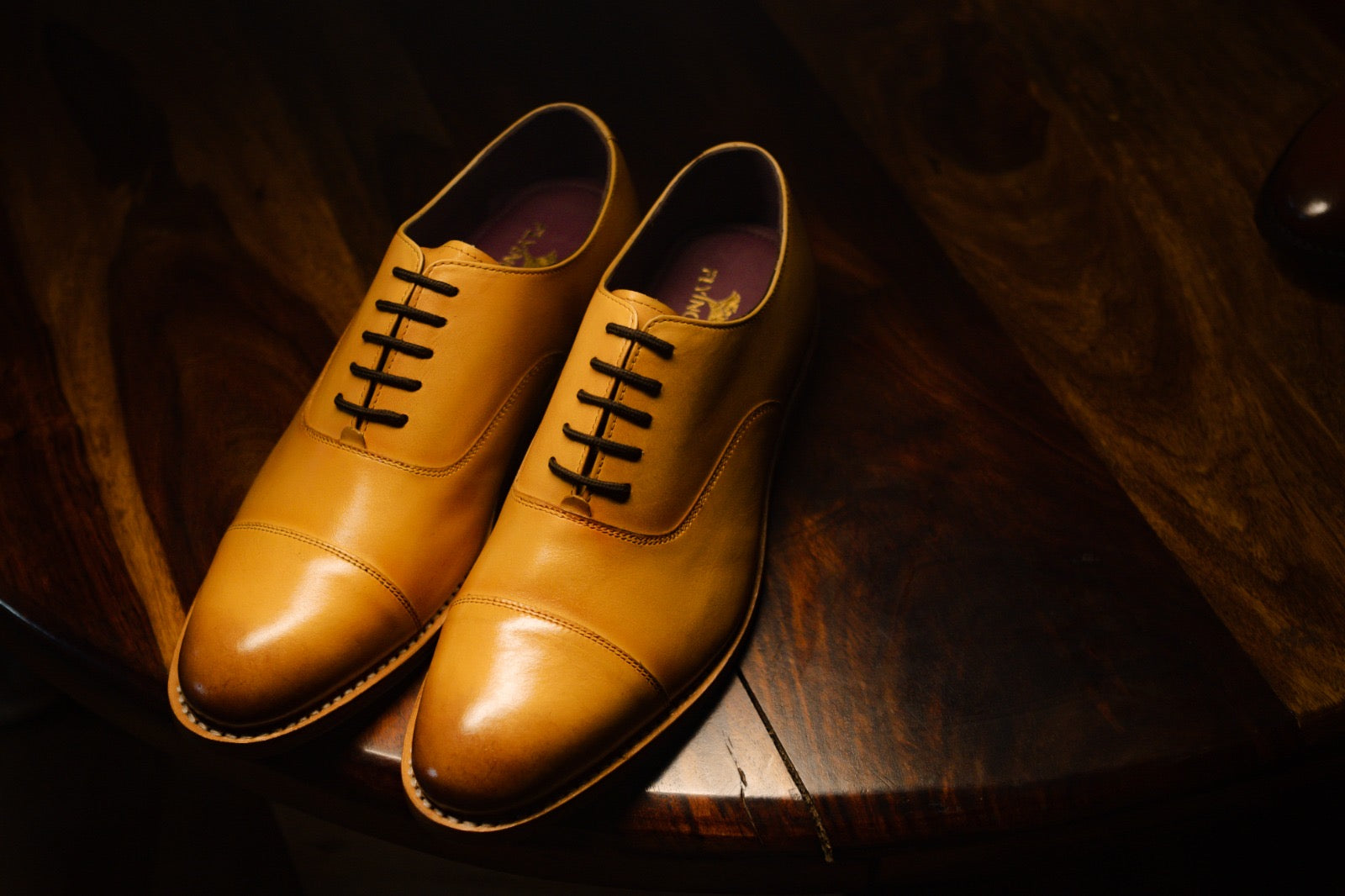
Indian craftsmanship has a long-standing reputation for combining traditional skills with attention to detail. This heritage is particularly visible in leather footwear, where skilled artisans transform carefully selected materials into footwear designed for comfort, durability and timeless appeal. The best handmade leather shoes in India are not simply products of machinery; they reflect hours of careful work, knowledge passed through generations and an understanding of how leather behaves over time.
The Heritage of Indian Leather Craftsmanship
India has a diverse tradition of leatherworking, with different regions developing their own techniques, patterns and approaches to footwear production. Artisans have traditionally relied on practical knowledge to cut, shape, stitch and finish leather. Much of this expertise is developed through years of hands-on experience rather than through written instructions alone.
Traditional craftsmanship also places importance on patience. Unlike mass-produced footwear, handmade shoes may involve several individual stages, and each stage requires precision. From selecting the leather to attaching the sole, artisans have an opportunity to inspect the material and workmanship closely. This attention can contribute to footwear that has a distinctive character and a more refined appearance.
Selecting the Right Leather
Leather quality plays an important role in determining how footwear looks, feels and performs. Different types of leather have different characteristics, including texture, flexibility, grain, thickness and ability to develop a natural patina.
For handcrafted leather shoes in India, artisans may work with leather selected according to the intended design and purpose of the footwear. Formal shoes, casual shoes and boots can require different leather characteristics. A softer leather may provide flexibility and comfort, while a firmer leather can offer structure and support.
Good leather also tends to change with use. Instead of simply becoming worn, quality leather can develop a patina, creating subtle variations in colour and texture. This ageing process is one reason leather footwear can become more distinctive over time when it is properly maintained.
Precision in Cutting and Shaping
Once the leather is selected, cutting becomes one of the most important stages. A poorly positioned cut can affect the appearance and strength of a shoe, while precise cutting helps artisans make efficient use of the material and maintain consistency between different components.
The upper portion of a shoe consists of several pieces that need to fit together accurately. Artisans must consider the shape of the shoe, the position of seams, the design of decorative details and the requirements of the final construction.
The best handmade leather shoes in India benefit from this careful approach because small details can make a significant difference to the final appearance. Clean edges, balanced proportions and accurately aligned panels can give a shoe a polished and sophisticated look.
The Importance of Traditional Construction
The construction method determines how different parts of the shoe are joined together. Traditional techniques can involve stitching, welting and carefully attaching the sole to the upper.
Goodyear welted construction, for example, is valued for its structured build and repairability. A welt connects the upper, insole and sole, creating a construction that can be maintained and, in many cases, resoled when the original sole becomes worn.
This approach is particularly relevant for people who consider footwear a long-term investment. Instead of treating a pair of quality shoes as something to replace frequently, owners can maintain them through appropriate cleaning, conditioning and professional repair.
The Role of the Artisan
Machines can improve consistency and efficiency, but skilled artisans remain important when producing footwear where individual attention matters. An experienced craftsperson can recognise subtle differences in leather, make adjustments during construction and inspect the final product closely.
Handwork can also contribute to the individual character of footwear. Slight variations in finishing may occur, but these can be part of what makes handmade products distinctive. The objective is not simply to reproduce an identical item but to combine technical precision with the character of skilled workmanship.
The best handmade leather shoes in India therefore represent a combination of material quality, traditional knowledge and careful execution. None of these factors works independently. High-quality leather cannot compensate for poor construction, while excellent craftsmanship cannot fully overcome unsuitable materials.
Comfort and Fit
A well-made shoe should not only look attractive; it should also provide a comfortable fit. Footwear needs to accommodate the natural shape and movement of the foot while providing appropriate support.
Handmade production can allow greater attention to the shape of the last, which is the form around which a shoe is constructed. The proportions of the last influence the toe shape, width, instep and overall fit.
For customers, choosing the correct size remains essential. Even premium footwear may feel uncomfortable if the size or shape is unsuitable. It is therefore useful to consider foot width, arch characteristics and the intended use of the shoes when selecting a pair.
Handmade Boots and Their Durability

Boots often require stronger construction because they are commonly used in demanding environments. They need to withstand greater exposure to movement, uneven surfaces and changing weather conditions.
The best handmade boots in India can combine robust leather with carefully constructed soles, reinforced stitching and supportive designs. However, durability also depends on how footwear is used and maintained.
Regular cleaning, suitable conditioning and proper storage can help preserve leather. Allowing shoes to dry naturally after exposure to moisture and using shoe trees where appropriate can also help retain their shape.
Why Craftsmanship Still Matters Today
Modern consumers have access to a huge variety of footwear, including inexpensive mass-produced options. However, handmade footwear continues to appeal to people who appreciate longevity, traditional skills and distinctive design.
Craftsmanship also has cultural value. It keeps specialised knowledge alive and provides opportunities for skilled artisans to continue working with techniques developed over many years. Supporting quality craftsmanship can therefore contribute not only to better footwear but also to the preservation of an important part of India's manufacturing heritage.
Another advantage is the potential for repair and continued use. When a pair of shoes is constructed with durability in mind, maintaining them can extend their useful life and reduce the need for frequent replacement.
Caring for Handmade Leather Shoes
Even well-constructed footwear requires regular care. Dirt should be removed gently, and leather should be conditioned periodically according to its type. Excessive exposure to water, heat or direct sunlight can affect leather and should be avoided.
Shoes should also be allowed to rest between uses whenever possible. Alternating pairs gives leather time to recover from moisture and pressure accumulated during wear.
Proper storage is equally important. Keeping shoes in a dry, well-ventilated area and maintaining their natural shape can help preserve both appearance and construction.
Experience Timeless Craftsmanship with Flying Hawk
Flying Hawk brings together India’s rich shoemaking heritage and contemporary elegance to create footwear made for lasting style and comfort. We believe exceptional shoes begin with quality leather, skilled craftsmanship and attention to every detail. Our handcrafted footwear is thoughtfully designed for those who value durability, sophistication and timeless appeal. From refined formal shoes to rugged boots, we offer carefully crafted styles that complement every wardrobe. Choose us when you want footwear that feels as impressive as it looks.
Conclusion
Indian leather craftsmanship combines traditional knowledge, skilled workmanship and careful material selection to create footwear with enduring appeal. From choosing suitable leather and cutting individual components to constructing, finishing and maintaining the final product, every stage can influence the quality of the finished pair. The best handmade leather shoes in India demonstrate how traditional craftsmanship can remain relevant in a modern footwear market, offering a balance of durability, comfort, character and timeless style.
Frequently Asked Questions
1. What makes handmade leather shoes different from mass-produced shoes?
Handmade shoes receive greater individual attention, with careful material selection, construction and finishing.
2. Why is leather quality important in footwear?
Quality leather can provide better comfort, durability and a distinctive appearance that develops with use.
3. Are handmade leather shoes durable?
Yes, well-constructed handmade shoes can be highly durable when properly cared for and maintained.
4. What is Goodyear welted construction?
It is a traditional shoe construction method that securely joins the upper, welt and sole and can allow resoling.
5. Are handmade leather shoes comfortable?
They can offer excellent comfort when the design, last and size are properly suited to the wearer's feet.
6. How should handmade leather shoes be maintained?
Regular cleaning, appropriate conditioning, proper storage and protection from excessive moisture can help preserve them.
7. Can handmade leather shoes be worn for formal occasions?
Yes. Classic handmade Oxfords, Derbies, loafers and monk shoes can complement formal and professional outfits.
SIZE GUIDE
| Size (UK) |
Size (EU) |
Foot Length (cm) |
|---|---|---|
| 5 | 39 | 24.8 |
| 5.5 | 39.5 | 25.1 |
| 6 | 40 | 25.4 |
| 6.5 | 40.5 | 25.7 |
| 7 | 41 | 26 |
| 7.5 | 41.5 | 26.6 |
| 8 | 42 | 27.3 |
| 8.5 | 42.5 | 27.6 |
| 9 | 43 | 27.9 |
| 9.5 | 43.5 | 28.5 |
| 10 | 44 | 29.2 |
| 10.5 | 44.5 | 29.5 |
| 11 | 45 | 29.8 |
| 11.5 | 45.5 | 30.2 |
| 12 | 46 | 30.5 |
| 12.5 | 46.5 | 30.9 |

- Choosing a selection results in a full page refresh.
- Opens in a new window.