


What Are Goodyear Welted Shoes? A Complete Guide to Craftsmanship and Quality
Shipping & Returns
 Free Delivery
 Easy 7 Day Return
 COD Available
Footwear is more than an everyday necessity; it reflects personal style, attention to detail, and an appreciation for quality. While many shoes are designed for affordability and convenience, some stand out for their traditional construction, durability, and timeless appeal. Goodyear welted shoes belong to this category, offering a combination of skilled craftsmanship, premium materials, and long-lasting performance. Whether you are dressing for professional meetings, formal occasions, or everyday sophistication, understanding this footwear construction can help you make a more informed buying decision.
What Are Goodyear Welted Shoes?
Goodyear welted footwear is made using a specialised construction technique in which a strip of leather or another suitable material, known as a welt, connects the upper part of the shoe to the sole. This connection is typically created by stitching the upper, insole, and welt together, followed by a separate stitch attaching the welt to the outsole.
Unlike many mass-produced shoes that rely primarily on adhesive to attach the sole, this method creates a structured construction that can be repaired and resoled by a skilled cobbler. The technique has been valued for generations because it combines strength, practicality, and a refined finish.
The process requires careful preparation and precise stitching. Each component must be positioned correctly to achieve a balanced shape, reliable construction, and comfortable fit. The result is footwear designed to offer years of use when maintained properly.
How Does the Goodyear Welt Construction Work?
Understanding the construction process reveals why this footwear is often associated with superior craftsmanship.
1. Preparing the upper: The upper is the part that covers the foot and is generally made from leather. Skilled craftspeople cut, shape, and stitch the leather panels to create the desired design. The quality of the leather and the accuracy of the cutting influence the shoe's appearance and fit.
2. Attaching the welt: A strip of material is stitched to the upper and insole using specialised machinery. This creates a strong connection between the main parts of the shoe and provides a foundation for attaching the outsole.
3. Filling the cavity: The space between the insole and outsole is commonly filled with cork or another suitable material. This layer helps support the foot and may gradually adapt to its shape through regular wear.
4. Attaching the outsole: The outsole is stitched to the welt, creating a separate connection. This feature makes it possible to replace a worn outsole without necessarily rebuilding the entire shoe.
5. Finishing and polishing: The final stages include shaping, trimming, finishing the edges, and polishing the leather. These details contribute to the shoe's overall appearance and reflect the care taken during production.
Although machinery is involved in modern production, the quality of the finished footwear still depends heavily on material selection, accurate construction, and careful finishing.
Key Benefits of This Traditional Construction
One of the main reasons buyers appreciate this method is its emphasis on long-term value rather than short-term convenience.
1. Durability and Structural Strength
A well-constructed pair can withstand regular use when made from quality materials and maintained appropriately. The stitched construction helps keep the sole securely attached, while the overall structure supports the shoe's shape.
However, durability also depends on the leather, stitching quality, sole material, frequency of use, and environmental conditions.
2. Resoleability and Repair
The ability to replace a worn outsole is a significant advantage. Instead of discarding the entire pair when the sole becomes damaged, owners can have it repaired by an experienced professional.
This can extend the useful life of the footwear and make it a practical option for people who prefer maintaining quality products rather than frequently replacing them.
3. Comfort That Develops Over Time
Leather footwear often becomes more accommodating with regular wear. In some constructions, the cork filling gradually compresses and conforms to the wearer's foot, improving the personalised feel.
Nevertheless, comfort depends on the correct size, suitable last shape, foot anatomy, and quality of the internal components. A premium construction cannot compensate for an unsuitable fit.
4. Timeless Style
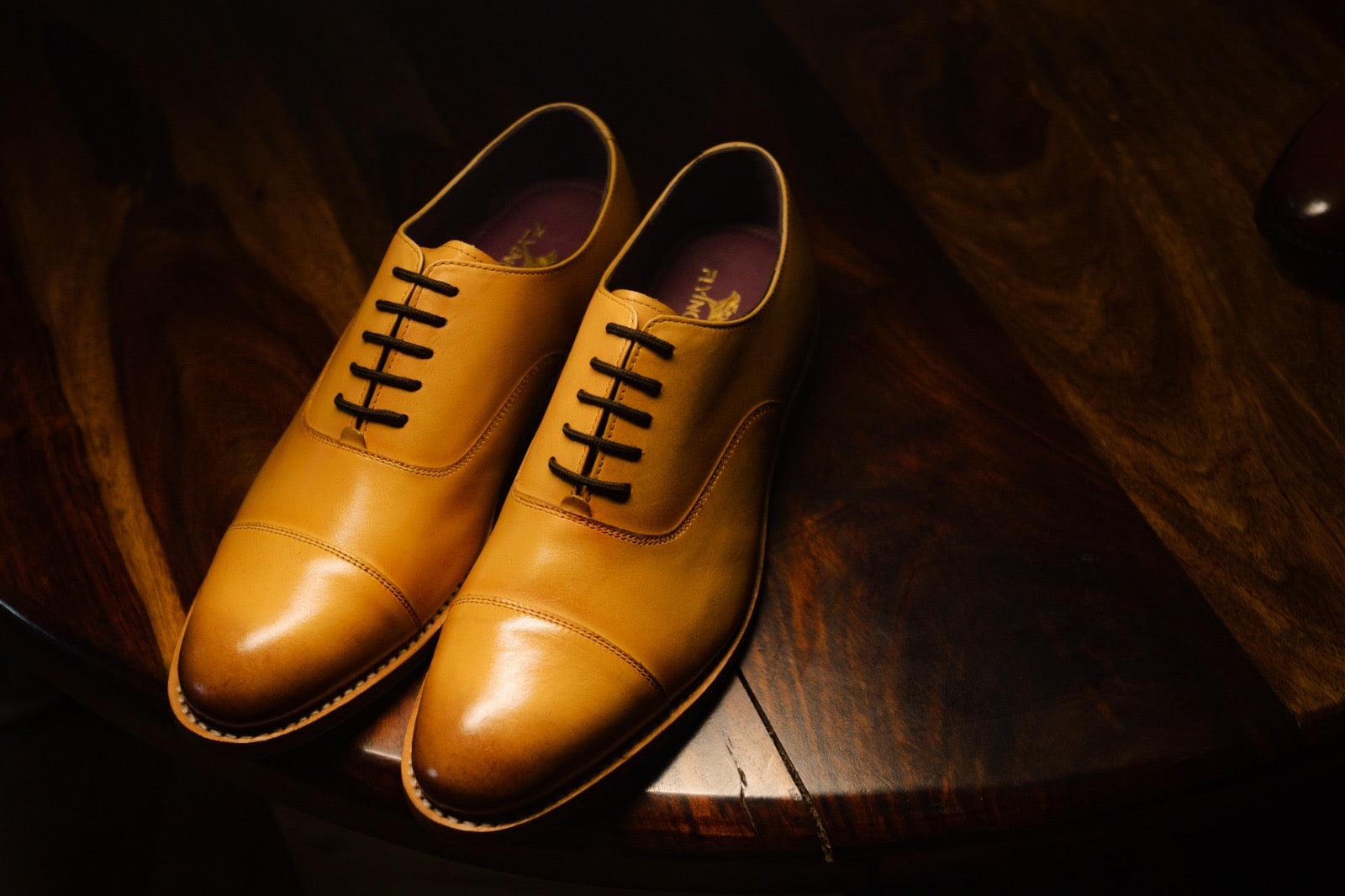
Classic designs such as Oxford shoes, Derby and brogues shoes,, loafers, and leather boots work well across different wardrobes. Their clean silhouettes and carefully finished details make them suitable for formal occasions, professional settings, celebrations, and smart-casual dressing.
Goodyear Welted Shoes in the Indian Market
Interest in premium footwear is often accompanied by questions about craftsmanship, value, and suitability for local conditions. People exploring Goodyear welted shoes in India should consider more than appearance or price alone.
Climate is an important factor. Heat, humidity, dust, and monsoon conditions can affect leather and construction materials. Leather shoes should be allowed to dry naturally after exposure to moisture, away from direct heat. Using shoe trees, rotating between pairs, and applying appropriate leather care products can help preserve their shape and finish.
Buyers should also consider where they intend to wear the shoes. Formal leather footwear may be ideal for office environments and special occasions, while boots can provide a different balance of coverage, structure, and styling versatility. The right choice depends on personal requirements rather than trends alone.
How to Choose the Right Pair
Selecting quality footwear requires attention to several important details.
Examine the leather: Look for leather with an appropriate finish, consistent texture, and clean finishing. Natural leather may display variations, but the material should still meet the expected quality standard.
Inspect the stitching: Check whether the visible stitching is even and neatly finished. Ask the seller about the construction method, as decorative stitching alone does not establish that a shoe is genuinely welted.
Check the fit: The heel should feel secure, the toes should have adequate room, and the shoe should not create painful pressure points. Leather may soften with use, but significant discomfort should not be ignored.

Consider the outsole: Leather soles offer a classic appearance, while rubber soles can provide additional grip and practical advantages in wet conditions. The best option depends on your daily routine and the surfaces on which you walk.
Evaluate the price against long-term value: Quality construction may involve a higher initial cost. Compare materials, workmanship, repairability, and after-sales support before deciding.
Those looking for Goodyear welted boots in India should pay particular attention to sole grip, leather treatment, ankle comfort, and suitability for their intended environment.
Similarly, anyone planning to buy Goodyear welted leather boots in India should confirm the actual construction method, available sizing, return policy, and resole options before placing an order.
Goodyear Welted vs Other Shoe Construction Methods
Not all quality footwear uses the same construction technique. Cemented shoes generally attach the outsole using adhesive, which can support lighter designs and more accessible pricing. Blake-stitched shoes use stitching that passes through the insole and outsole, often creating a relatively flexible, streamlined profile.
Welted construction typically provides a distinct balance of structure and repairability, although the exact advantages depend on the shoe's design and materials. No single method is automatically best for every wearer. Lightweight everyday shoes, formal footwear, and rugged boots serve different purposes, so choosing the right construction requires considering comfort, budget, intended use, and maintenance preferences.
Caring for Your Leather Footwear
Regular care is essential for preserving appearance and extending useful life.
Clean away dust with a soft brush after wearing the shoes. Use a suitable leather conditioner when needed, and apply polish appropriate to the leather's finish. Allow footwear to rest between wears so moisture can evaporate naturally.
If shoes become wet, remove excess moisture gently and leave them to dry at room temperature. Avoid placing them near heaters or exposing them to intense sunlight. Shoe trees can help retain shape, while periodic inspections allow minor sole damage or loose stitching to be addressed before the problem worsens.
People interested in personalised fit, distinctive design, and individual craftsmanship may also consider whether it makes sense to buy bespoke shoes in India. Bespoke footwear is made to individual requirements and differs from standard ready-to-wear sizing, but its quality still depends on the maker's skill, materials, fitting process, and finishing.
Step Into Timeless Craftsmanship with Flying Hawk Shoes
At Flying Hawk Shoes, we believe exceptional footwear begins with precision, heritage, and quality materials. Our Goodyear welted shoes reflect generations of shoemaking expertise, combining timeless elegance with lasting durability. We bring together traditional craftsmanship and modern style to help you make every step count. Explore our collection and experience footwear designed for confidence, comfort, and enduring sophistication.
Conclusion
Choosing premium footwear is ultimately about understanding what lies beneath the surface. Traditional welted construction combines careful stitching, thoughtful material selection, and the possibility of future repairs, making it an appealing option for people who value longevity and refined style.
While the initial investment may be higher than that of many mass-produced alternatives, proper care and timely repairs can help maximise the value of a well-made pair. Before purchasing, assess the fit, leather quality, construction details, and suitability for your routine.
Ultimately, goodyear welted shoes represent an appreciation for craftsmanship that goes beyond appearance. With informed selection and consistent maintenance, they can become dependable wardrobe essentials that deliver lasting style, practical performance, and satisfaction over many years.
Frequently Asked Questions
1. What are Goodyear welted shoes?
Goodyear welted shoes use a stitched welt to connect the upper and outsole, offering durable construction and the potential for resoling.
2. Why are Goodyear welted shoes considered durable?
Their stitched construction, quality materials, and repairable soles can help extend their lifespan with proper care.
3. Can Goodyear welted shoes be resoled?
Yes. A skilled cobbler can generally replace the worn outsole without replacing the entire shoe, depending on its condition and construction.
4. Are Goodyear welted shoes comfortable?
They can become more comfortable with regular wear as the leather softens and the footbed adapts, provided the original fit is suitable.
5. Are Goodyear welted shoes suitable for Indian weather?
Yes, with appropriate care. Protect leather from excessive moisture, allow shoes to dry naturally, and choose soles suited to local conditions.
6. How can I identify genuine Goodyear welted shoes?
Check the construction details, inspect the stitching, and confirm the manufacturing method with the seller. Decorative stitching alone is not proof.
7. How should I maintain Goodyear welted leather shoes?
Brush away dust, condition the leather when needed, use shoe trees, rotate pairs, and allow wet shoes to dry naturally away from direct heat.
SIZE GUIDE
| Size (UK) |
Size (EU) |
Foot Length (cm) |
|---|---|---|
| 5 | 39 | 24.8 |
| 5.5 | 39.5 | 25.1 |
| 6 | 40 | 25.4 |
| 6.5 | 40.5 | 25.7 |
| 7 | 41 | 26 |
| 7.5 | 41.5 | 26.6 |
| 8 | 42 | 27.3 |
| 8.5 | 42.5 | 27.6 |
| 9 | 43 | 27.9 |
| 9.5 | 43.5 | 28.5 |
| 10 | 44 | 29.2 |
| 10.5 | 44.5 | 29.5 |
| 11 | 45 | 29.8 |
| 11.5 | 45.5 | 30.2 |
| 12 | 46 | 30.5 |
| 12.5 | 46.5 | 30.9 |

- Choosing a selection results in a full page refresh.
- Opens in a new window.